01 / Starting field notes

Excavator Road Construction 27 beginner guide for new players

This practical starting guide is for players exploring the construction-focused mobile gameplay of Excavator Road Construction 27. Goal Field League is an independent Canadian gaming publication covering heavy machinery, structured construction missions, road and bridge work, controls, progression questions, environments and offline-play information. Use these field notes to approach early tasks calmly; they are a useful sequence, not a claim to be a complete walkthrough.

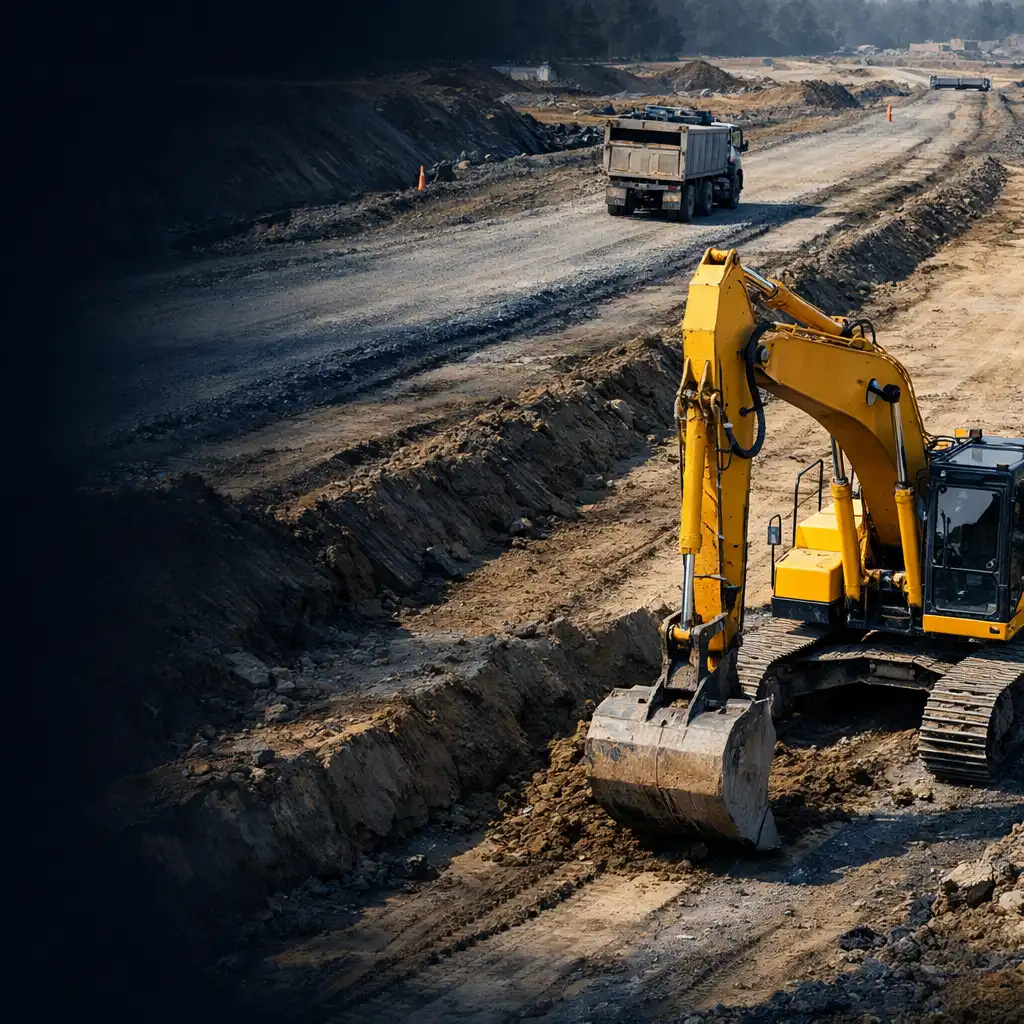
Editorial construction-game scene showing an excavator beside a prepared road corridor with a dump truck in the distance.
Illustrative construction-game imagery used as editorial context; it does not document a specific mission or control layout.

02 / Orientation

Start with the construction loop

Before worrying about speed, treat the game as a series of readable assignments. The useful habit is simple: identify what the current task appears to need, select or use the relevant vehicle where the game makes that possible, and watch for the next request.

A

Machine-led tasks

The game is presented around heavy construction machinery and task-based play. Excavators, bulldozers, dump trucks, cranes, and road rollers are the confirmed categories covered by this publication. Think of them as game roles that help frame an objective, not as real equipment training. When a task appears, start by asking which category best fits its current construction context.

B

Structured work stages

Our coverage groups excavation, transport, road building, and bridge building as distinct mission themes. They are useful lenses for reading a task, not a promise that every mission follows one fixed route. Look at the active objective first, then consider whether it points toward digging, moving material, shaping a route, placement-related work, or surface finishing.

Excavate → Transport → Road work → Bridge context

C

Progress through observation

Early play is a chance to repeat task logic and improve consistency rather than rush. Progression, controls, environments, and offline play are part of our broader coverage, but unlock conditions, rewards, and exact systems are not independently confirmed here. For a wider overview, read the gameplay features guide.

03 / Task reading

Read the assignment before moving

01

Find the objective first

Before making inputs, look for any objective text, marker, arrow, or task prompt the game presents. That brief pause keeps movement connected to the assigned job instead of turning into aimless exploration. The exact interface is not documented here as fixed, so use the cues available in your current session and let them set the immediate priority.

02

Name the immediate work phase

Ask what the visible goal appears to concern: digging, moving material, shaping a route, placement-related work, or finishing a road surface. These are broad gameplay categories derived from the game themes we cover, not asserted interface labels. Respond to the displayed objective rather than assuming the task will follow a particular sequence.

Excavation Transport Road context Bridge context

03

Choose one next action

Keep the next move singular: position the relevant game vehicle, begin the assigned operation, or follow the route indicated by the current task. Then reassess what the game presents. Trying to solve several possible stages at once can make a new task harder to read, especially where switching or repositioning is only available if the game allows it.

Read the construction missions guide for a broader task-by-task mindset.

04 / Operations routine

Use a simple first-session sequence

These steps are editorial advice for a low-pressure first attempt, not an official tutorial map.

Observe / decide / act

01

Take a short orientation pass

Spend the first moments noticing the available vehicle, visible route or work area, and current assignment before trying to optimise movement. Where shown, take in any task cue that helps you understand the space. This is player practice, not a formal game requirement; the goal is to make your first input intentional.

Do not rush the first input.

02

Practice one controlled action

Focus on one basic on-screen action at a time: movement, positioning, or the task-specific action the game shows. Avoid rapid repeated inputs while you are still learning how the selected vehicle responds. Deliberate input gives you time to observe the game’s reaction and understand the boundary of the current job.

03

Complete the visible task before experimenting

Prioritise the stated job over freeform detours. A focused attempt helps you learn how the game communicates progress, completion, and the next objective when it recognises them. Do not assume scoring, medals, unlocks, or fail states; simply observe what the game displays after an apparent part of the work is complete.

04

Repeat with a clearer plan

Carry the same pattern forward: read, position, act, confirm, then move to the next request the game presents. This is a transferable habit for task-based construction gameplay and can make a second attempt feel more legible than the first. For route and surface-oriented context, continue with the road-building gameplay guide.

Field routine: read → position → act → reassess.

05 / Equipment schedule

Match the machine to the game task

These category-level records are a way to interpret broad construction-game context. They do not describe vehicle brands, specifications, exact controls, or a guarantee that every machine appears in every mission.

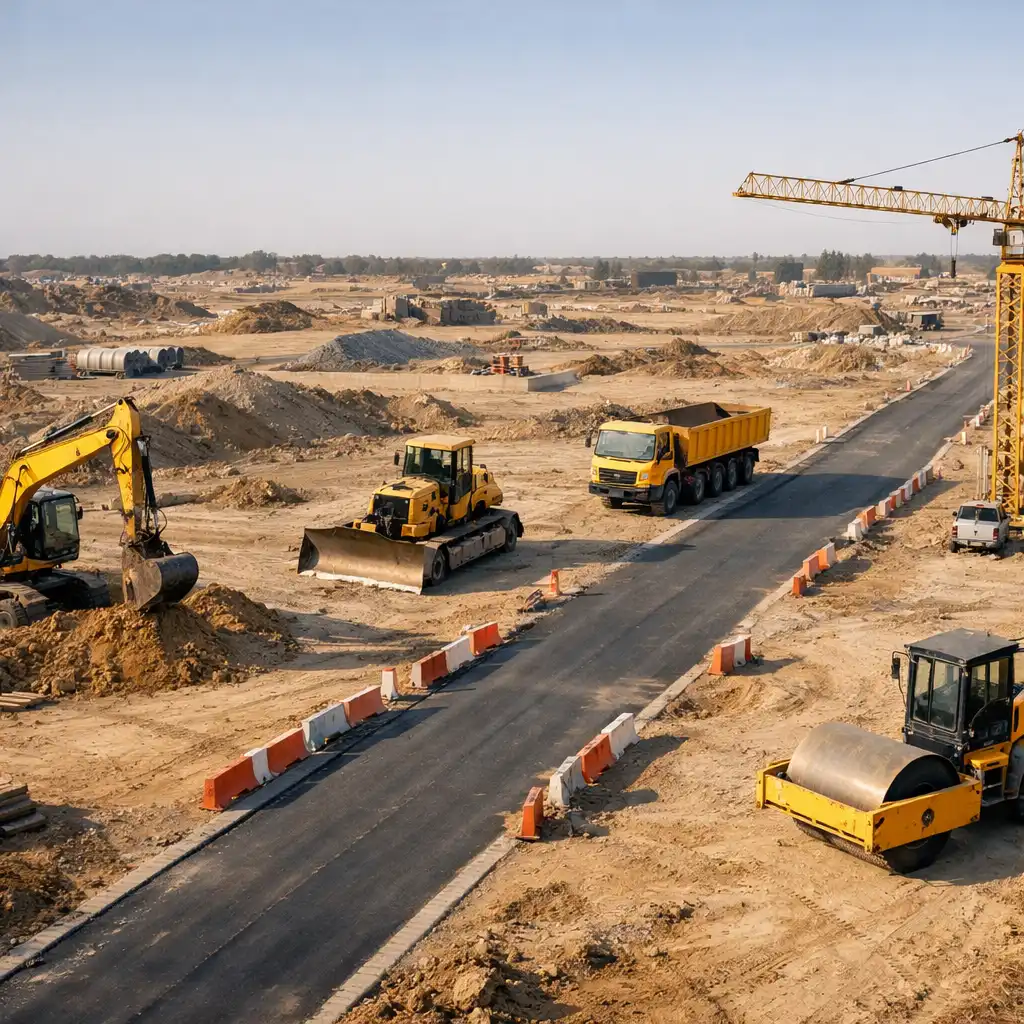
Editorial staging area showing separate excavator, bulldozer, dump truck, crane and road roller categories in a fictional construction scene.
Illustrative machinery scene for category context only; availability and behaviour depend on the current game task.

Excavator

Digging-focused work

Associate the excavator with excavation-oriented game tasks and careful positioning around a work area. Keep the advice at category level: the on-screen behaviour and available functions should be verified in the current session. Use the active objective to decide whether excavation context is actually relevant.

Evidence statusConfirmed category; task behaviour varies.

Bulldozer

Shaping and clearing context

A bulldozer fits broad clearing, shaping, or route-preparation context in construction-game play when the objective supports that reading. Do not assume blade mechanics, terrain deformation, or a particular task is available. Read the mission request first and let it determine whether this category makes sense for the current attempt.

Evidence statusConfirmed category; mechanics not asserted.

Dump truck

Transport-focused work

Connect a dump truck with moving material or cargo-like construction tasks in the game’s transport theme. Avoid assuming load capacity, dumping controls, or material types. When the game provides a route or destination, treat that displayed cue as the useful priority and reassess once the immediate transport task changes.

Evidence statusConfirmed category; route details vary.

Crane

Placement-related work

The crane category belongs with placement-oriented construction or bridge-building context, while the exact interaction depends on the task currently shown by the game. This guide does not claim lifting physics, hook controls, payloads, or bridge component types. Stay with the displayed objective rather than importing assumptions from another construction game.

Task-specificAvailability and interaction details may vary.

Road roller

Finish-stage road context

A road roller is the category most naturally associated with road-building finish-stage context, without making that association a mandatory sequence. Wait for the mission objective before choosing an approach. For a more focused category overview, visit the Machines guide.

Evidence statusConfirmed category; use depends on the task.

06 / Control lab

Build control confidence in small passes

Input / observe

Start slow enough to observe

Use measured on-screen inputs at the start of a task so you can see how the selected vehicle responds within the game. This is not about a named control scheme; it is a way to notice responsiveness and task boundaries before you commit to a faster approach. A calm first pass can make the next decision clearer.

View / orient

Use the camera or viewpoint information available

If the game offers viewpoint changes or useful visual angles, use what is available to keep the relevant work zone and route readable. The guide does not confirm a camera mode or button. The practical point is visual awareness: find a view that lets you understand the current assignment and the space around it.

Plan / position / act

Reset your plan after an awkward attempt

After an inefficient movement or missed objective cue, pause your approach, re-read the task, and make the next attempt more deliberate. This does not assume restart controls, penalties, or failure conditions. Iteration is normal beginner learning. For broader controls and progression context, read gameplay features.

07 / Operation board

Let the current work theme set your pace

These notes classify useful beginner mindsets. They do not reproduce in-game levels or assert that every task has every work phase.

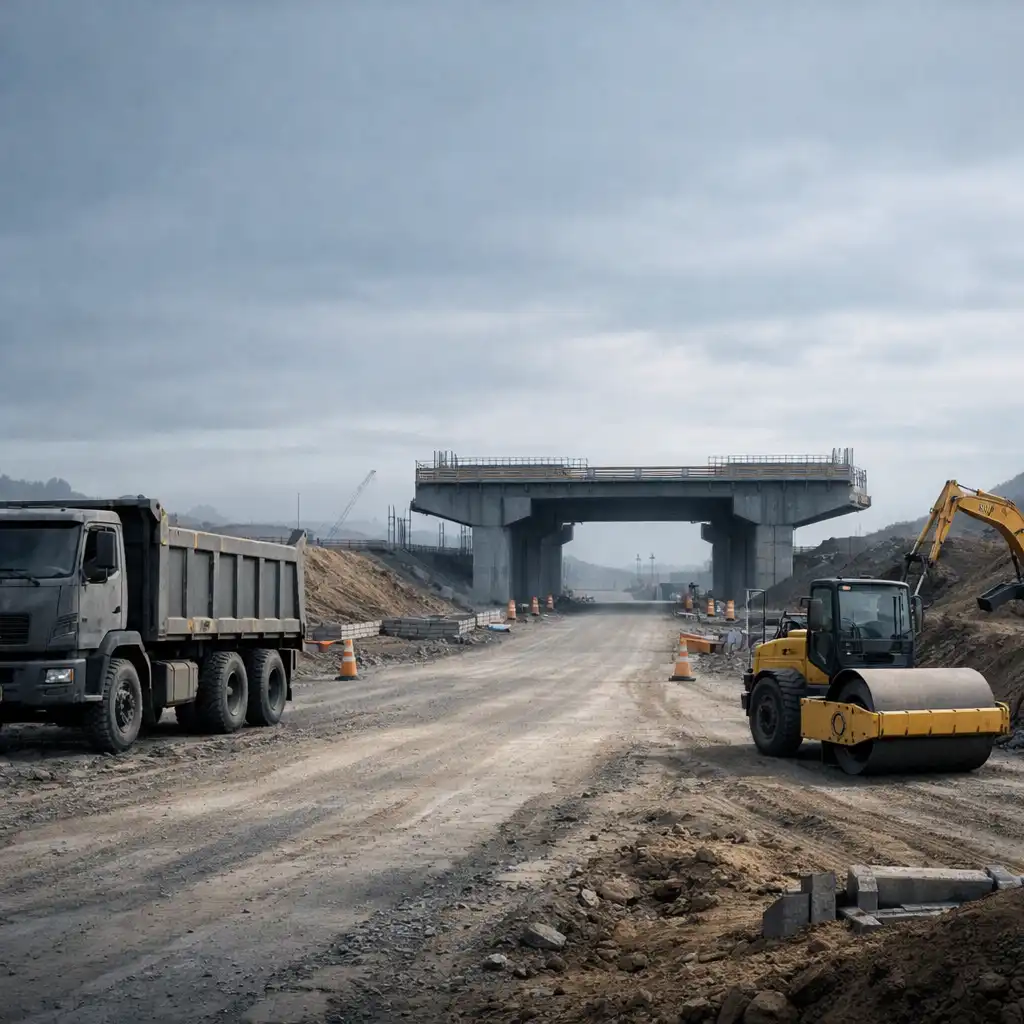
Editorial unfinished road and distant bridge work zone with construction vehicles arranged along a broad route.
Illustrative mission-field context, not a claim about locations, objectives, or a fixed task sequence.

E-01

Excavation: work the displayed area

Focus on the active work area and current objective instead of assuming every open space is relevant. Careful positioning in the game environment can make the assignment easier to interpret. This guide does not describe digging depth, soil behaviour, bucket use, or completion criteria; let the current game prompt define what matters.

Evidence boundary: excavation is a covered theme; exact task behaviour varies.

T-02

Transport: favour the assigned destination

Transport-oriented tasks are easier to read when you treat a visible destination or route cue as the priority, when one is provided. Stay with the immediate assignment rather than inventing a wider route. This does not claim cargo physics, traffic, checkpoints, or time limits; it is simply a practical way to keep attention on the current task.

R-03

Road building: think in task segments

Break road-oriented work into the segment currently presented: preparation, movement, placement, or finishing context. These are planning lenses, not confirmed mandatory road-building stages. Avoid rushing ahead of the prompt and use the road-building gameplay guide when you want more route-focused context.

B-04

Bridge building: follow the immediate placement goal

Stay attentive to the immediate bridge-related objective shown by the game, especially where placement or transport context appears relevant. Do not assume bridge parts, lifting mechanics, or a construction sequence. Details vary by task; for broader mission context, continue to the construction missions guide.

Details vary by task.

08 / Source check

Check the details that matter to your session

Progression: learn the current system as you play

Progression is part of Goal Field League’s coverage, but this beginner guide should not invent unlock paths, rewards, level totals, or currencies that are not independently confirmed. Check the current game screens and official listing for present-day details, then use our gameplay features overview for wider editorial context.

Environments: treat each work area as a new reading task

Environments are part of the game’s coverage. When a work area changes, use it as a reason to slow down, re-read the objective, and locate the relevant workspace before acting. This guide does not name cities, terrain types, weather, or maps. The useful advice remains in-game: orient yourself to what the current task shows.

Offline play: verify current listing details before installing

Offline play is part of Goal Field League’s coverage, but availability, requirements, and feature details can change. Review the official Google Play listing before installing, and do not assume every feature works offline in every circumstance. The listing is the right place to check current information before making your decision.

09 / Field checklist

Carry this checklist into your next task

  1. 01

    Read the current objective

    Let the displayed assignment direct the next in-game action; do not assume a fixed objective display.

  2. 02

    Identify the task theme

    Decide whether the work appears excavation-, transport-, road-, or bridge-related before committing to an approach.

  3. 03

    Make one deliberate input

    Observe the game response before speeding up, changing position, or changing your plan.

  4. 04

    Reassess after each visible stage

    Check the next prompt or workspace after an apparent part of the job is complete.

  5. 05

    Use deeper guides when you need context

    After a first session, use focused reading for machinery, mission structure, route work, or the wider review.

10 / Decision lane

Check Excavator Road Construction 27 on Google Play

Excavator Road Construction 27 may suit players interested in mobile construction themes, heavy machinery categories, structured excavation and transport tasks, road building, bridge building, and offline-play coverage. This guide is editorial orientation for construction-game fans, vehicle-simulator enthusiasts, road-building players, and mobile gamers seeking structured experiences. It does not claim that every current feature has been independently tested, so use the official listing to verify the details that matter to you.

View official Google Play listing ↗

Leaves Goal Field League for the official Google Play listing, where you can check current details and install through Google Play if you choose.