06 / Field route

Road-building gameplay guide

This independent guide reads Excavator Road Construction 27 as a mobile construction-game route: prepare a site, move work forward, shape a road-focused task, and complete the current objective. Goal Field League is a Canadian gaming publication helping visitors decide whether that structured play sounds appealing before they inspect the official Google Play listing.

The source-aware route guide continues below.

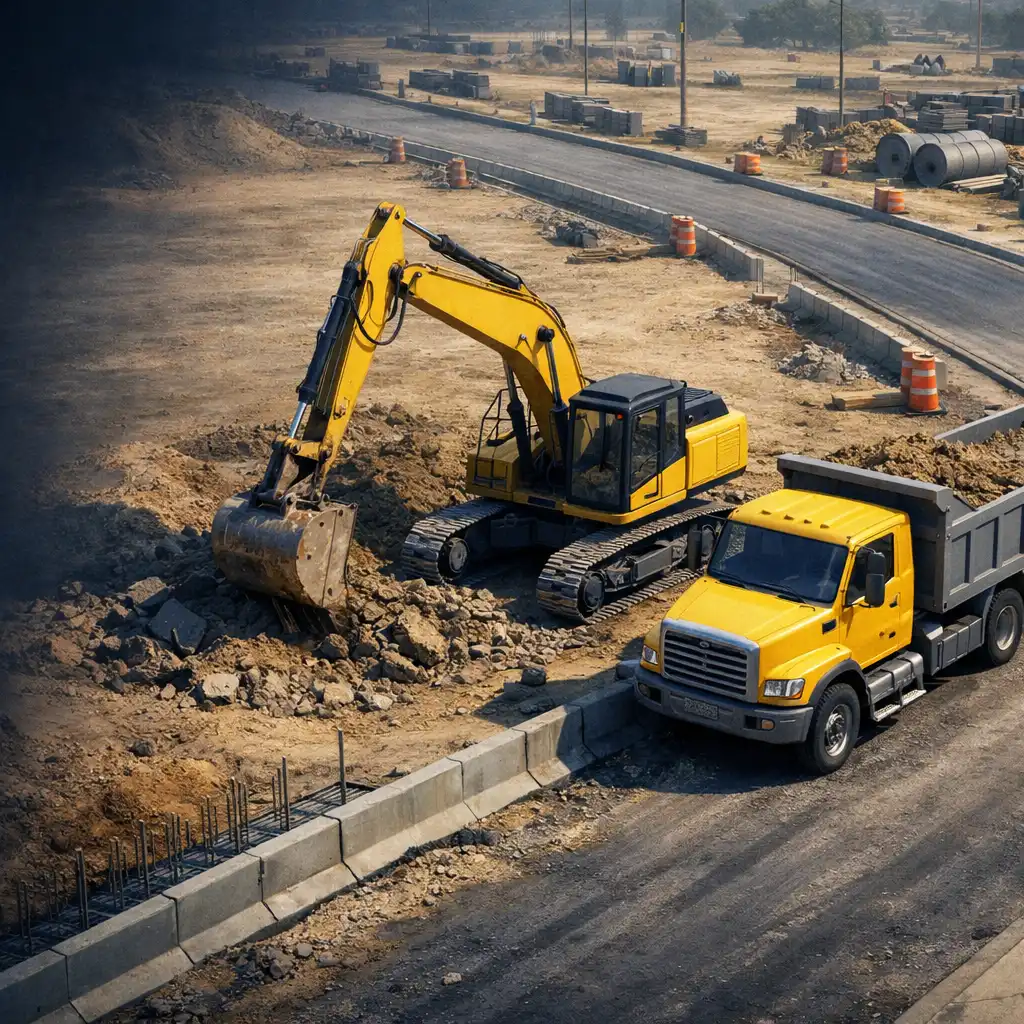
A yellow excavator and dump truck beside an unfinished road in a generic work zone.
Editorial road-work context image; it does not identify a specific mission or location.

01 / Route logic

Read the route as a work sequence

Road-building tasks are easiest to assess as connected game activities rather than as isolated driving moments. The order may vary, but this sequence gives a useful way to read what the current objective is asking for.

  1. 01

    Survey the task

    Begin by reading the objective in game terms: identify the visible work area, the activity currently being asked of you, and the next useful cue in the task. This is about orientation inside a structured mission, not real surveying technique. Treat the current objective as a route marker that helps turn a broad construction setting into one manageable piece of play.

  2. 02

    Prepare the ground

    Preparation can be a helpful opening lens when excavation or route-shaping work is the focus. Excavator and bulldozer categories fit this kind of construction-game context, though individual tasks may arrange activities differently. The useful question is simply whether the virtual site needs workable space before transport or finishing work becomes the next concern.

    Excavator · Bulldozer

  3. 03

    Move and place materials

    Transport is the connective middle of the loop. Dump-truck gameplay can make movement between work zones feel purposeful by linking a prepared area with the next road-focused objective. Exact loads, destinations, and cargo systems are not assumed here; the appeal is the orderly rhythm of completing one transport-related task before the route moves onward.

  4. 04

    Shape, finish, and advance

    The final phase is the visible road-work handoff: carry out the current route-focused activity, close the task, and move forward through structured progression. A road roller is a category that suits a finishing-oriented context, without guaranteeing it appears in every task. Objectives can combine activities rather than follow one fixed construction order.

02 / Equipment ledger

Equipment as task roles

The confirmed machine categories make the construction theme easier to read. These are practical editorial roles, not vehicle specifications, model documentation, or a claim that every machine appears in every road-building mission.

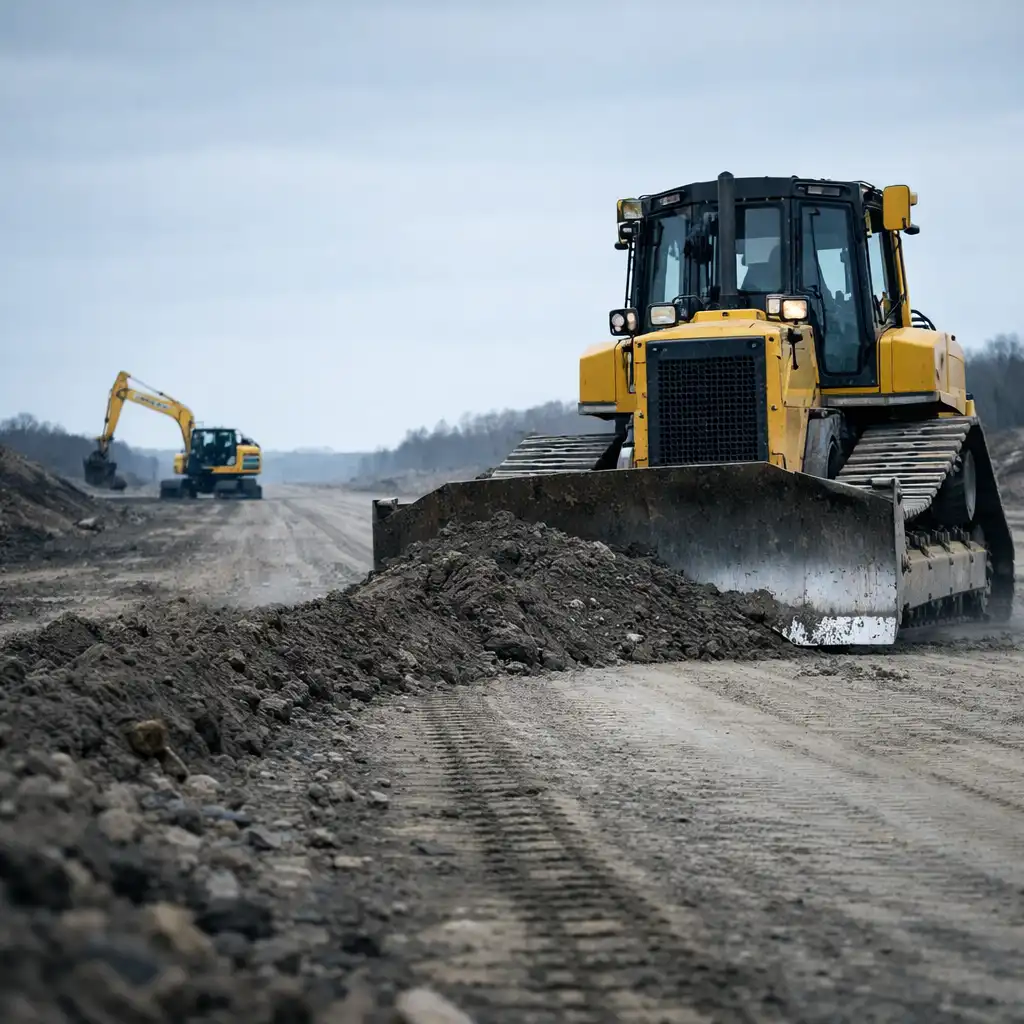
A bulldozer shaping an unfinished road with an excavator in the distance.
Generic road-work machinery context for this editorial ledger.
01

Excavator

Opening the work area

An excavator is the category most naturally associated with excavation-oriented parts of a construction-game route. In broad game terms, it helps signal site preparation before later activities take focus. This guide does not infer a model, capacity, control mapping, or exact task requirement from that category.

Read the heavy equipment guide
02

Bulldozer

Shaping the route

A bulldozer is relevant to shaping or clearing work within a road-building theme. Its role helps a player connect a visible work area with the kind of task that may come next, while leaving room for mission order to vary. It is game-focused context, not simulator-grade or real-world operating advice.

Explore construction missions
03

Dump truck

Linking work zones

Dump-truck gameplay can make transport feel like the bridge between a prepared site and a later road-work objective. The category suggests pacing built around movement and task sequencing, not a promise about cargo, loading, unloading, or exact routes. It is useful context for players who enjoy a connected work loop.

See gameplay features context
04

Road roller

The finishing signal

A road roller helps visitors recognize a construction-completion focus rather than a driving-only theme. It may fit road-related tasks, but this guide does not claim compaction mechanics, materials, or a universal completion condition. The category is a useful signal for players looking for road-work flavour in the broader task structure.

Read the full review
05

Crane

Broader site context

More than one route task

Cranes belong to the covered heavy-machinery set and broaden the construction setting beyond one road activity. This page keeps its main lens on the route-building loop, so it does not assign cranes a fixed road, lifting, bridge, or mission role. Use the machine guide for category-oriented context.

Compare machine categories

03 / Mission reading

Follow dependencies, not just prompts

A beginner-friendly way to read a construction mission is to look for the task that enables the next task. That keeps ground work, transport, and route work connected without assuming a universal mission design.

01

Identify the current dependency

Ask what the current activity makes possible next. The immediate work may concern ground, transport, or the route itself, but reading the objective before moving helps keep the chain visible. This general habit works across varied mission designs without requiring a claimed waypoint, timer, or minimap behaviour.

02

Use the right vehicle context

Connect the task wording and visible work area to the machine category that seems relevant instead of treating every vehicle as interchangeable. Excavators, bulldozers, dump trucks, cranes, and road rollers each suggest different construction roles. That focused reading can make a sequence easier to understand without claiming how vehicle changes are handled.

03

Treat completion as a handoff

Road-building progress can be read as a series of handoffs. Completing one activity gives a clearer reason to continue into the next objective or broader unlock path, without claiming what specifically unlocks. Notice how the task context changes after an objective ends, then use the Beginner Guide for wider onboarding support.

04 / Control habits

Learn the interface through short task loops

This is bounded mobile-game learning advice, not a claim about specific buttons, gestures, steering modes, camera settings, or assist options.

Adjustment 01

Start with small movements

Test movement and task inputs during a lower-pressure moment before committing to a longer manoeuvre or route. The point is to observe how the game responds and build a feel for the current activity. That is a general mobile-game habit, not a description of a particular input layout or sensitivity setting.

Adjustment 02

Keep the objective in view

Periodically reconnect movement choices with the current objective so the construction loop stays legible while you are operating a vehicle. Structured, task-based play is easier to follow when each movement still has a clear relationship to the activity at hand, whatever form the game’s interface takes.

Adjustment 03

Repeat before rushing ahead

When a task feels unclear, repeating familiar interactions can build confidence for more involved construction sequences and general progression. This does not promise replay features or a specific difficulty design; it is a welcoming way to learn a game loop. Visit Gameplay Features for broader controls, progression, and offline-play context.

Source boundary: exact interface behaviour should be verified on the current official listing.

05 / Forward route

Completion creates the next reason to play

Objectives create momentum

Structured objectives are the most reliable way to understand progression in this road-building context. Completing the current construction activity moves the player toward the next piece of a task-based experience, without requiring claims about exact unlocks, rewards, or level totals. The momentum comes from reading one finished handoff as a reason to investigate the next job.

Machine rhythm

Machine variety changes the rhythm

The presence of excavators, bulldozers, dump trucks, cranes, and road rollers can make progression feel broader than repeating one driving task. Their categories suggest different construction roles, not a guaranteed selection order or availability path. The Machines guide provides more category-focused context.

Source-limited

Offline context belongs in the decision

Offline play is part of the game coverage and may matter to visitors seeking a structured mobile experience away from a constant connection. That does not mean every feature should be assumed to work offline. See Gameplay Features for the publication’s broader discussion.

06 / Work area

The work area gives each task a reason

A partially built road corridor with a road roller in the middle distance.
Generic editorial road-work setting; it does not identify an exact map, location, or level.

A route needs a readable work area

Environments give road-building tasks practical context: a player needs to recognize where work is happening and how the current vehicle role relates to that space. The useful question is game readability, not named maps, weather systems, terrain types, or hazards. A clear work area helps the objective remain meaningful while the route changes.

Context can vary without changing the loop

The route loop remains a useful through-line even when task settings differ. It lets visitors understand the game through activities rather than unsupported map details. For more on task structure, see Construction Missions Explained.

Reality boundary

Look for task clarity, not realism claims

Construction-game fans and vehicle-simulator enthusiasts can assess whether the visible machinery theme and mission focus suit them without assuming real-world engineering accuracy. This is a video-game guide, not a judgement about unverified realism or training value.

07 / First route

Start with a clear work plan

These field notes turn the route explanation into simple beginner habits without inventing a tutorial, scoring system, restart option, or special beginner mode.

  1. 01

    Read the task before moving

    Pause long enough to understand the immediate construction objective and identify whether the focus is preparation, transport, route work, or another site activity. Objectives are the most dependable orientation point in a structured mission, even when no UI-specific instruction is being assumed.

  2. 02

    Learn one role at a time

    Treat each machine category as a distinct gameplay role so familiarity can build without expecting every task to feel the same. Excavators, bulldozers, dump trucks, cranes, and road rollers provide useful category language, not a promise that every vehicle is freely selectable.

  3. 03

    Make clean handoffs your goal

    Focus on the next useful task transition instead of rushing through an entire route, especially when a mission includes more than one construction activity. The broader covered mission range includes excavation, transport, road-building, and bridge-building, but this guide does not assign a fixed sequence, timer, or score to them.

  4. 04

    Use related guides when the route expands

    When you want wider context, move from this road-focused guide into the publication’s supporting explanations. The broader beginner guide, machine context, and gameplay feature discussion can help you compare what matters before checking the official listing.

08 / Decision gate

Match the route to your play style

Fit signal

It may suit players who want structured construction tasks

This road-building focus may suit construction-game fans, heavy-machinery and vehicle-simulator enthusiasts, road-building players, and people who enjoy task-based mobile sessions with clear objectives. It can also be relevant to visitors seeking a structured offline experience, provided they treat current offline behaviour as something to verify rather than a feature guarantee.

  • Construction and machinery themes
  • Objective-led task sequences
  • Road-work context over driving alone

Source check

Check the official listing for exact feature confirmation

If you need current details about availability, device compatibility, pricing, controls, content scope, or offline behaviour, verify them on the official Google Play listing. Independent publication coverage does not replace the store entry; checking it is the practical final source step before an installation decision.

Open official listing ↗

09 / Listing handoff

Verify the current listing

This guide covered road-building as a task loop connected to machinery roles, mission dependencies, beginner habits, progression context, environments, controls, offline-play context, and source-aware decision making.

View official Google Play listing ↗